Gastric Bypass
What's Included
- Facility Fee
- Surgeon Fee
- Anesthesia Fee
- Pre Op Surgeon & Nutritionist Consult
- 12 Months of Aftercare
- Blis Insurance Coverage

A time-tested bariatric procedure that helps you lose weight and improve health through lasting change.
4.9Top Rated Service 2026verified by TrustindexTrustindex verifies that the company has a review score above 4.5, based on reviews collected on Google over the past 12 months, qualifying it to receive the Top Rated Certificate.
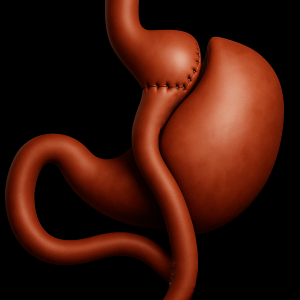
Laparoscopic gastric bypass surgery reduces the size of your stomach and reroutes part of your small intestine, leading to both restriction and malabsorption of calories. The most common technique, the Roux-en-Y gastric bypass, creates a small pouch at the top of the stomach, which is then connected directly to the mid-small intestine—bypassing most of the stomach and upper intestine.
This approach limits food intake and reduces calorie absorption, resulting in significant weight loss. Most patients return to light activities within 10 to 14 days.
What's Included
Payment options are subject to credit approval through Cherry. Promotional 0% APR financing is for well-qualified applicants and subject to change and final approval.
Gastric bypass surgery may be the right option if you have a body mass index (BMI) of 35 or higher, or a BMI over 30 with obesity-related health conditions such as type 2 diabetes, hypertension, or sleep apnea. It’s especially beneficial for patients who have tried diet and exercise without lasting success and are ready for a long-term solution.
Time and time again, gastric bypass leads the way in total weight loss and long-term success.
Unlike the gastric sleeve, bypass surgery often improves or eliminates reflux symptoms rather than causing them.
Gastric bypass has been performed for over 50 years, with a well-documented track record of safety and effectiveness.

Bariatric & Metabolic Surgeon, Board Certified General Surgeon

Bariatric & Metabolic Surgeon, Board Certified General Surgeon
Meet with one of Eviva's world class surgeons to learn which procedure is right for you.
Get StartedYour Bariatric Pathway Coordinator (BPC) is here to help every step of the way—navigating insurance approvals, clinical milestones, or walking you through the self-pay process.
Your journey begins today—and you’re in the best hands. Our streamlined outpatient approach means most patients are home the same day, recovering comfortably and confidently with support from our experienced team.
Most patients lose about 35% of their total body weight within 12–18 months, depending on adherence to dietary and lifestyle changes.
Yes, gastric bypass is intended to be a permanent procedure, both anatomically and in the long-term changes it supports.
Most patients return to normal activities within 2 to 4 weeks. You’ll follow a staged recovery plan with close support from your care team.
Gastric bypass often greatly reduces hunger due to hormonal changes that affect appetite. Most patients report feeling full with much smaller portions.
Often, yes, if you meet specific medical criteria. Eviva can verify your benefits and walk you through the approval process.
As with any surgery, risks include bleeding, infection, or blood clots. Long-term, you may be at risk for nutritional deficiencies, so follow-up care and supplements are essential.
You’ll follow a structured diet starting with liquids and progressing to soft and then regular foods. Your dietitian will guide portion sizes and food choices to support healing and weight loss.
Yes. Gastric bypass changes how your body absorbs nutrients, so daily supplements like a multivitamin, calcium, iron, and B12 are highly recommended for life.
Gastric bypass both restricts food intake and bypasses part of the intestine to reduce calorie absorption, while gastric sleeve only reduces stomach size. Bypass also has a stronger impact on conditions like diabetes and acid reflux.
Yes, gastric bypass is one of the most effective treatments for type 2 diabetes. Many patients see dramatic improvement or complete remission within months of surgery.
Our surgeons work closely with you to determine which weight loss procedure best matches your goals, medical needs, and lifestyle. From advanced laparoscopic techniques to non-surgical endoscopic procedures, each option we offer is backed by proven outcomes and long-term success. We also offer revision surgery for patients who’ve had prior procedures and need additional support.
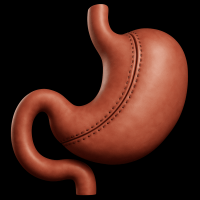
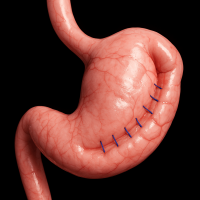
Overview: The gastric sleeve, or sleeve gastrectomy, is a laparoscopic procedure where approximately 80% of the stomach is removed, leaving a tubular “sleeve” that limits food intake.
How It Works: By reducing stomach size and removing the hunger-inducing hormone-producing part (fundus), it decreases appetite and promotes satiety.
Benefits: Patients typically experience a 25–30% total body weight loss. The procedure also improves conditions like type 2 diabetes, hypertension, high cholesterol, and sleep apnea.
Ideal Candidates: Individuals with a BMI over 35. It is also frequently performed on BMI between 30–35.
Recovery: Most patients go home the same day. Recovery involves a staged diet starting with liquids and gradually progressing to solids over several weeks.
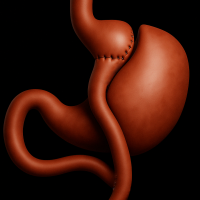
Overview: Gastric bypass is a laparoscopic procedure that alters both the stomach and small intestine to reduce food intake and calorie absorption. A small pouch is created at the top of the stomach and connected directly to the small intestine.
How It Works: The procedure limits how much food you can eat and bypasses part of the intestine to reduce calorie absorption. It also influences hormones involved in hunger and blood sugar regulation.
Benefits: Patients may lose 30–35% of their total body weight. Gastric bypass has strong results for resolving type 2 diabetes, GERD, and metabolic syndrome.
Ideal Candidates: Individuals with a BMI over 35, especially those with type 2 diabetes, severe acid reflux, or complex metabolic conditions.
Recovery: Most patients go home the same day. Recovery includes a gradual diet progression and routine follow-ups for long-term support.
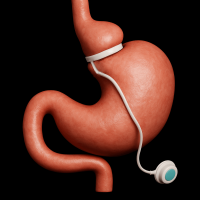
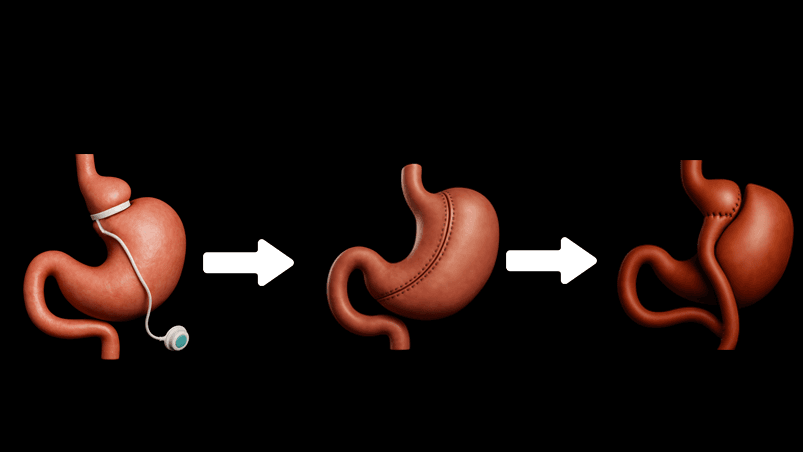
Overview: Revision surgery involves modifying or converting a previous weight loss procedure—such as converting a Lap Band to a Sleeve or Bypass—when initial results are inadequate or complications arise.
How It Works: Depending on the patient’s history and current needs, the revision may involve removing or modifying existing devices, reshaping the stomach, or rerouting the intestines.
Benefits: Offers a second chance at weight loss success. Can resolve issues such as inadequate weight loss, band slippage, reflux, or weight regain.
Ideal Candidates: Patients who had prior bariatric surgery but experienced complications, minimal results, or weight regain.
Recovery: Varies by procedure. Most are still performed laparoscopically with a focus on minimal downtime and tailored aftercare.