

MagDI™ | Magnetic Duodeno-Ileostomy

Revolutionary magnetic system for minimally invasive metabolic surgery

Ready to take the first step?

Schedule your virtual consultation and find out if the MagDI is right for you.
What is the MagDI™

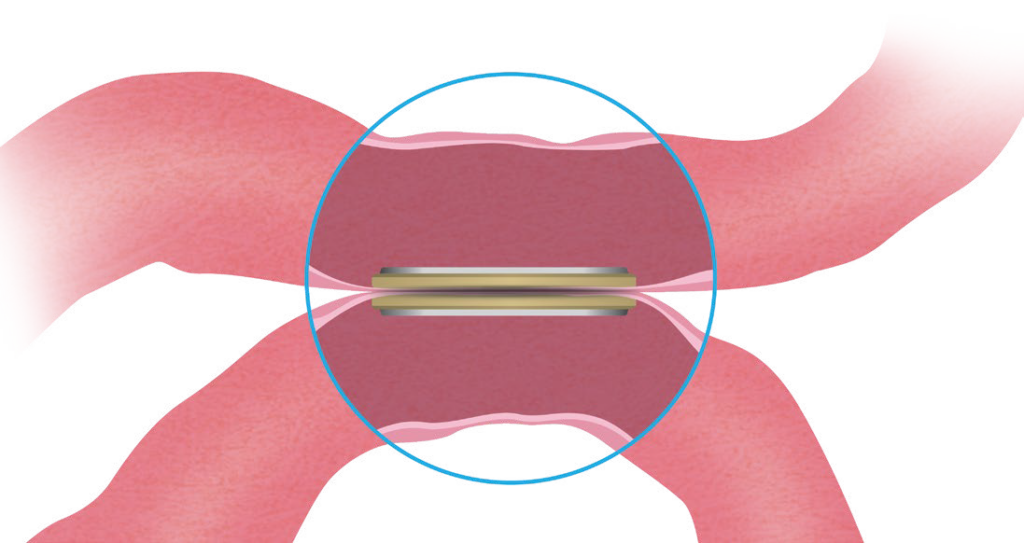
MagDI™ is a magnetic system that creates a natural, suture-free connection between two parts of the small intestine.

It can be performed:

  • In combination with a Sleeve Gastrectomy, during the same operation or as a revision to an existing sleeve
  • Standalone, in patients with normal stomach anatomy
Benefits for type 2 diabetes (T2DM) and blood sugar management

Less food through the duodenum, more contact with the distal ileum → boosts incretin hormones (like GLP-1/PYY) that reduce appetite, slow gastric emptying, and enhance insulin response. These are the same hormonal pathways leveraged by Roux-en-Y gastric bypass and GLP-1 medications, but achieved with a minimally invasive, reversible connection created by magnets. Also, because vitamins and minerals go through the duodenum risk of malnutrition is very low. Early MagDI studies were designed with T2D resolution as a key endpoint, reflecting this mechanism. PubMed+1
procedure Details

How does the MagDI™ work?​

Step 1

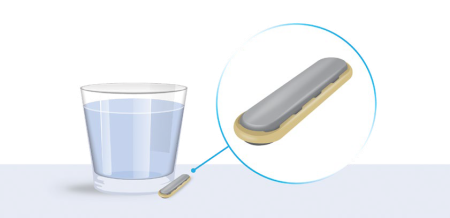
About 2 hours before the procedure you will swallow a small magnetic capsule (about the size of two multivitamins).
*If swallowing isn’t possible, the capsule can be gently positioned into place using an endoscope.

Mag-DI-Procedure-Step-1.png
Step 2

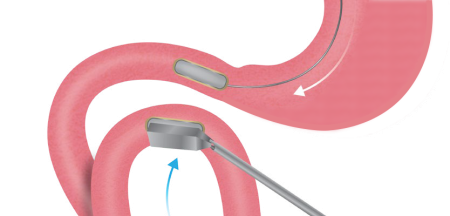
While you are under anesthesia, a second magnetic device is then positioned in the duodenum, just beyond the stomach outlet.

Mag-DI-Procedure-2D-Transparent-Step-2.png
Step 3

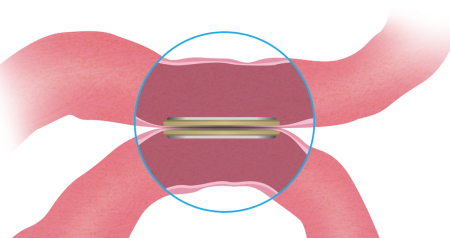
The magnets are activated by your surgeon and attract to each other, drawing the intestinal walls together and holding them in place to form a connection through magnetic compression anastomosis.

The procedure is done and you will be ready to go home after you have recovered from anesthesia.

Mag-DI-Procedure-2D-Step-3.png
Next Steps

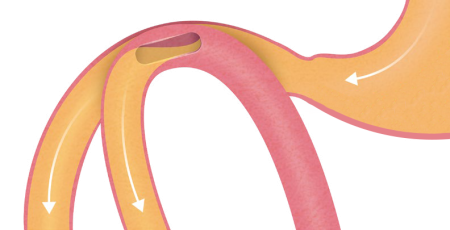
Over the next 2–3 weeks, gentle pressure forms a natural connection (anastomosis).

Once the tissue has fully fused, the magnets separate and pass harmlessly through the digestive tract, leaving no foreign material behind.

Mag-DI-Procedure-Step-4-1.png
Candidates

Who is the MagDI™ for?

Benefits

Why Choose the MagDI™?

Gastric Sleeve PATIENT SPOTLIGHT — Tina

“I truly believe having this surgery has saved my life.”

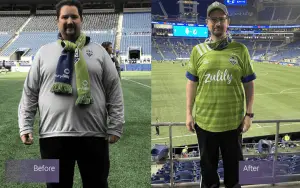
After a lifelong struggle with her weight, Tina turned to Eviva for support. With the Eviva team by her side, she lost over 160 lbs, reversed her high blood pressure and sleep apnea, and reclaimed her energy, confidence, and love for life.

Testimonials

Patient Before & Afters

Providers

Providers that perform the MagDI™

Mimi Tan, MD

Bariatric & Metabolic Surgeon, Board Certified General Surgeon

Profile picture of Dr. VanderWel wearing scrubs in front of blue background

Brandon VanderWel, MD

Bariatric & Metabolic Surgeon, Board Certified General Surgeon

Our Process

How our Bariatric Surgery Program Works

Schedule a Virtual Consultation

Meet with one of Eviva's world class surgeons to learn which procedure is right for you.

Get Started
Step 2.
Intake + Insurance Review 

Your Bariatric Pathway Coordinator (BPC) is here to help every step of the way—navigating insurance approvals, clinical milestones, or walking you through the self-pay process.

Step 3.
Surgery Day

Your journey begins today—and you’re in the best hands. Our streamlined outpatient approach means most patients are home the same day, recovering comfortably and confidently with support from our experienced team.

FAQ

Most Popular Questions

What is the MagDI™ procedure?

MagDI (Magnetic Duodeno-Ileostomy) is an FDA-cleared, minimally invasive procedure that uses two small magnetic devices to create a natural connection between sections of the small intestine. This connection helps improve metabolism and insulin sensitivity through hormonal changes similar to gastric bypass, without cutting or stapling the intestine.

Patients who underwent sleeve gastrectomy plus MagDI achieved approximately 70–75% excess body weight loss (EBWL) at 12 months post-procedure.

For patients without a sleeve, early data show modest but meaningful results. The main goal of MagDI™ is metabolic improvement, with weight loss as a secondary benefit.

Yes, early studies show that MagDI can improve blood sugar control by increasing the release of GLP-1 and other gut hormones involved in insulin production. This makes it a potential alternative or complement to diabetes medications, though larger studies are still underway to confirm long-term outcomes.

Eviva is developing a comprehensive self-pay package for the MagDI™ procedure designed to deliver exceptional value and transparent pricing.
When paired with a self-pay Sleeve Gastrectomy, patients will benefit from significant savings compared to scheduling each procedure separately.
Final pricing and package details will be announced soon. Please check back or contact our team for updates.

Because MagDI™ is a newly FDA-cleared technology, most insurance carriers do not yet have established coverage policies for it. However, the creation of an intestinal anastomosis (the medical act of connecting two portions of the small intestine) is an existing, billable surgical procedure, and surgeons may use standard CPT codes for duodeno-ileostomy or small-bowel anastomosis when submitting claims.

At this time, there is no dedicated CPT code for “magnetic duodeno-ileostomy” or “MagDI™.” Reimbursement will depend on the payer, indication, and documentation of medical necessity.

Eviva will assist patients with insurance pre-authorization and cost estimates, and self-pay packages will also be available for those choosing to move forward outside of insurance coverage.

Yes, it is a permanent procedure that forms a natural, permanent anastomosis.

Although permanent, it can be safely undone laparoscopically by separating the connection, restoring your natural anatomy.

Clinical studies report 100% technical success in creating the connection and no leaks or bleeding at the anastomosis site. The magnets naturally pass through the body once healing is complete, leaving no permanent materials behind.

No. The magnets are naturally expelled through the digestive tract within a few weeks after surgery. What remains is a durable connection made entirely from your body’s own tissue.

Unlike gastric bypass, MagDI does not remove or reroute major portions of the intestine and does not leave foreign materials behind. Compared to sleeve surgery, it targets hormonal and metabolic pathways more directly, which can improve diabetes control without increasing surgical risk.

Eviva is among the first centers in the U.S. preparing to offer MagDI™ following its FDA clearance in 2024. Availability will begin late 2025 and early 2026 as part of our early clinical rollout.

Procedures we offer at Eviva

Our surgeons work closely with you to determine which weight loss procedure best matches your goals, medical needs, and lifestyle. From advanced laparoscopic techniques to non-surgical endoscopic procedures, each option we offer is backed by proven outcomes and long-term success. We also offer revision surgery for patients who’ve had prior procedures and need additional support.

  • Overview: MagDI is a minimally invasive bariatric procedure that uses magnetic technology to create a new connection between two parts of the small intestine, reducing calorie absorption without cutting, stapling, or leaving implants behind.
  • How It Works: Two small magnets are positioned inside the digestive tract using endoscopic techniques. The magnets gently compress tissue to form a natural connection (anastomosis), allowing food to bypass part of the intestine. Once healing is complete, the magnets naturally pass through the body.
  • Benefits: No sutures or staples, no foreign material left behind, and no surgical cutting of the intestine. Early clinical data shows outcomes comparable to traditional bariatric procedures, with a potentially lower risk of leaks or bleeding and greater anatomical flexibility for future options.
  • Ideal Candidates: Patients seeking a less invasive metabolic procedure, those undergoing or who have already had a sleeve gastrectomy, or individuals who may benefit from additional weight loss or metabolic improvement without revisional surgery.
  • Recovery: Typically same-day discharge or overnight observation. Most patients experience minimal downtime and can resume normal activities within days, depending on individual recovery and surgeon guidance.
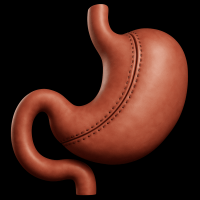
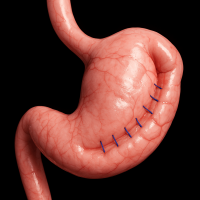
  • Overview: The gastric sleeve, or sleeve gastrectomy, is a laparoscopic procedure where approximately 80% of the stomach is removed, leaving a tubular “sleeve” that limits food intake.

  • How It Works: By reducing stomach size and removing the hunger-inducing hormone-producing part (fundus), it decreases appetite and promotes satiety.

  • Benefits: Patients typically experience a 25–30% total body weight loss. The procedure also improves conditions like type 2 diabetes, hypertension, high cholesterol, and sleep apnea.

  • Ideal Candidates: Individuals with a BMI over 35. It is also frequently performed on BMI between 30–35.

  • Recovery: Most patients go home the same day. Recovery involves a staged diet starting with liquids and gradually progressing to solids over several weeks.

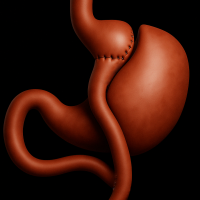
  • Overview: Gastric bypass is a laparoscopic procedure that alters both the stomach and small intestine to reduce food intake and calorie absorption. A small pouch is created at the top of the stomach and connected directly to the small intestine.

  • How It Works: The procedure limits how much food you can eat and bypasses part of the intestine to reduce calorie absorption. It also influences hormones involved in hunger and blood sugar regulation.

  • Benefits: Patients may lose 30–35% of their total body weight. Gastric bypass has strong results for resolving type 2 diabetes, GERD, and metabolic syndrome.

  • Ideal Candidates: Individuals with a BMI over 35, especially those with type 2 diabetes, severe acid reflux, or complex metabolic conditions.

  • Recovery: Most patients go home the same day. Recovery includes a gradual diet progression and routine follow-ups for long-term support.

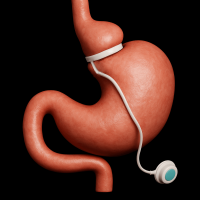
  • Overview: The lap band involves placing an adjustable silicone band around the upper portion of the stomach, creating a small pouch to restrict food intake.
  • How It Works: The band creates early satiety by limiting how much food the pouch can hold. The tightness of the band is adjusted through a port placed under the skin.
  • Benefits: Less invasive with no stomach cutting or stapling. Adjustable and reversible. Typically results in 15–20% total body weight loss.
  • Ideal Candidates: Patients who prefer a reversible option or who may not qualify for sleeve or bypass procedures.
  • Recovery: Same-day discharge is common. Return to work within a few days. Band adjustments are performed in the clinic as needed.
  • Overview: The lap band involves placing an adjustable silicone band around the upper portion of the stomach, creating a small pouch to restrict food intake.
  • How It Works: The band creates early satiety by limiting how much food the pouch can hold. The tightness of the band is adjusted through a port placed under the skin.
  • Benefits: Less invasive with no stomach cutting or stapling. Adjustable and reversible. Typically results in 15–20% total body weight loss.
  • Ideal Candidates: Patients who prefer a reversible option or who may not qualify for sleeve or bypass procedures.
  • Recovery: Same-day discharge is common. Return to work within a few days. Band adjustments are performed in the clinic as needed.
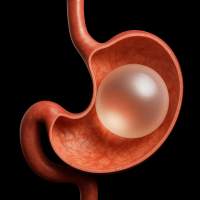
  • Overview: A gastric balloon is a temporary device inserted endoscopically and filled with saline to occupy space in the stomach and limit food intake.
  • How It Works: The balloon takes up stomach space, promoting earlier satiety and reducing meal sizes. It is removed after approximately six months.
  • Benefits: Non-surgical and reversible. Can aid weight loss of 10–15% of total body weight when combined with lifestyle changes.
  • Ideal Candidates: Individuals seeking short-term weight loss support or those preparing for another procedure like surgery.
  • Recovery: Minimal downtime. Patients may experience nausea or discomfort for the first few days. Normal activities resume quickly.

Revision​ Procedures

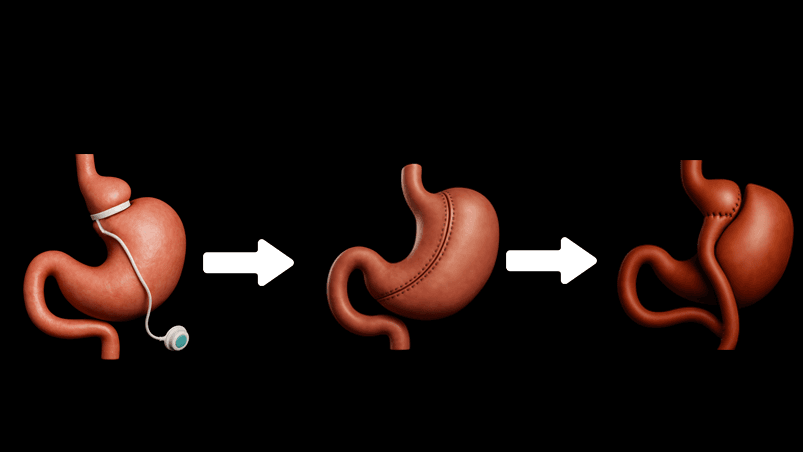
  • Overview: Revision surgery involves modifying or converting a previous weight loss procedure—such as converting a Lap Band to a Sleeve or Bypass—when initial results are inadequate or complications arise.

  • How It Works: Depending on the patient’s history and current needs, the revision may involve removing or modifying existing devices, reshaping the stomach, or rerouting the intestines.

  • Benefits: Offers a second chance at weight loss success. Can resolve issues such as inadequate weight loss, band slippage, reflux, or weight regain.

  • Ideal Candidates: Patients who had prior bariatric surgery but experienced complications, minimal results, or weight regain.

  • Recovery: Varies by procedure. Most are still performed laparoscopically with a focus on minimal downtime and tailored aftercare.

How can we help you?​