Explore your surgical weight loss options and find the right path for you.
 4.9Top Rated Service 2026verified by TrustindexTrustindex verifies that the company has a review score above 4.5, based on reviews collected on Google over the past 12 months, qualifying it to receive the Top Rated Certificate.


Explore transparent surgery pricing, what’s included, and financing options to help you plan your next step.
View PricingLearn which insurance plans we accept and how our team helps you navigate benefits, requirements, and approvals.
Explore InsuranceWondering if weight loss surgery could be right for you? Learn about candidacy and factors to consider.
Learn About CandidacySee the steps from your first consultation to surgery, including assessments, appointments, and preparation along the way.
See the StepsOur surgeons work closely with you to determine which weight loss procedure best matches your goals, medical needs, and lifestyle. From advanced laparoscopic techniques to non-surgical endoscopic procedures, each option we offer is backed by proven outcomes and long-term success. We also offer revision surgery for patients who’ve had prior procedures and need additional support.
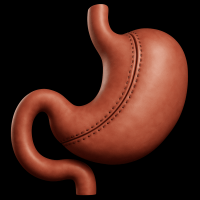
Overview: The gastric sleeve, or sleeve gastrectomy, is a laparoscopic procedure where approximately 80% of the stomach is removed, leaving a tubular “sleeve” that limits food intake.
How It Works: By reducing stomach size and removing the hunger-inducing hormone-producing part (fundus), it decreases appetite and promotes satiety.
Benefits: Patients typically experience a 25–30% total body weight loss. The procedure also improves conditions like type 2 diabetes, hypertension, high cholesterol, and sleep apnea.
Ideal Candidates: Individuals with a BMI over 35. It is also frequently performed on BMI between 30–35.
Recovery: Most patients go home the same day. Recovery involves a staged diet starting with liquids and gradually progressing to solids over several weeks.
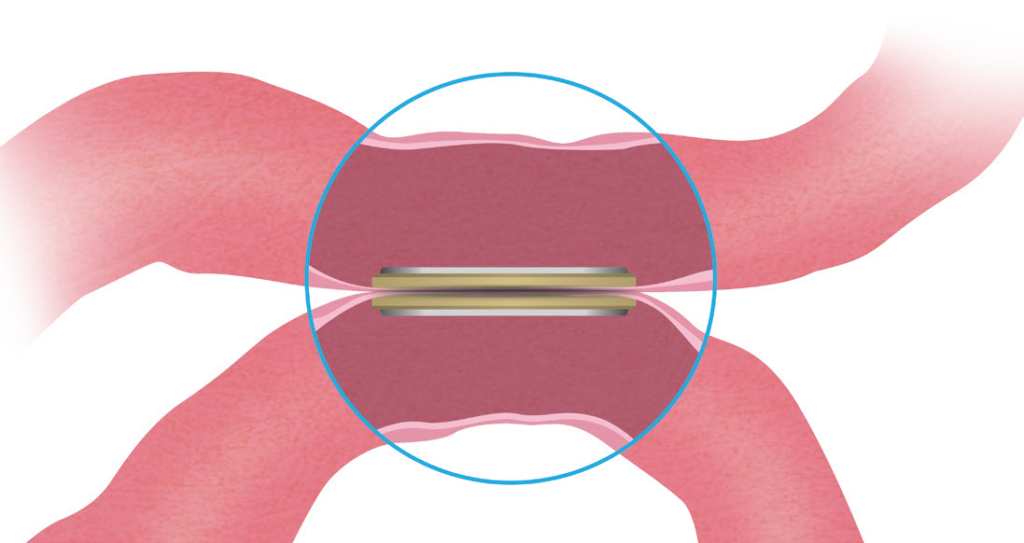
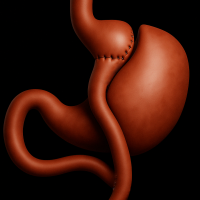
Overview: Gastric bypass is a laparoscopic procedure that alters both the stomach and small intestine to reduce food intake and calorie absorption. A small pouch is created at the top of the stomach and connected directly to the small intestine.
How It Works: The procedure limits how much food you can eat and bypasses part of the intestine to reduce calorie absorption. It also influences hormones involved in hunger and blood sugar regulation.
Benefits: Patients may lose 30–35% of their total body weight. Gastric bypass has strong results for resolving type 2 diabetes, GERD, and metabolic syndrome.
Ideal Candidates: Individuals with a BMI over 35, especially those with type 2 diabetes, severe acid reflux, or complex metabolic conditions.
Recovery: Most patients go home the same day. Recovery includes a gradual diet progression and routine follow-ups for long-term support.
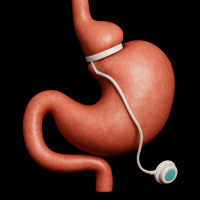
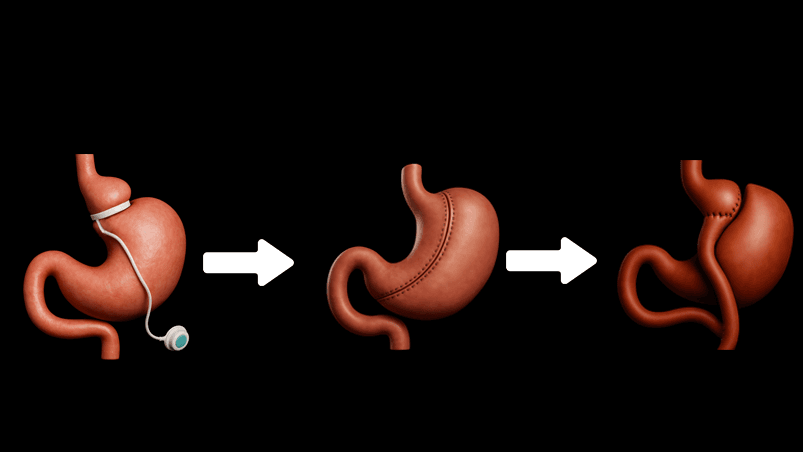
Overview: Revision surgery involves modifying or converting a previous weight loss procedure—such as converting a Lap Band to a Sleeve or Bypass—when initial results are inadequate or complications arise.
How It Works: Depending on the patient’s history and current needs, the revision may involve removing or modifying existing devices, reshaping the stomach, or rerouting the intestines.
Benefits: Offers a second chance at weight loss success. Can resolve issues such as inadequate weight loss, band slippage, reflux, or weight regain.
Ideal Candidates: Patients who had prior bariatric surgery but experienced complications, minimal results, or weight regain.
Recovery: Varies by procedure. Most are still performed laparoscopically with a focus on minimal downtime and tailored aftercare.
Surgery permanently alters the digestive system, leading to greater and more sustainable weight loss compared to medications or diet alone.
Bariatric surgery often resolves or dramatically improves type 2 diabetes, sleep apnea, hypertension, and other life-threatening conditions.
Eviva’s program includes ongoing aftercare, dietitian access, and peer support—ensuring success long after surgery.
Meet with one of Eviva's world class surgeons to learn which procedure is right for you.
Your Bariatric Pathway Coordinator (BPC) is here to help every step of the way—navigating insurance approvals, clinical milestones, or walking you through the self-pay process.
Your journey begins today—and you’re in the best hands. Our streamlined outpatient approach means most patients are home the same day, recovering comfortably and confidently with support from our experienced team.
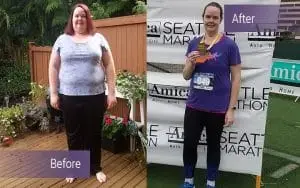
After a lifelong struggle with her weight, Tina turned to Eviva for support. With the Eviva team by her side, she lost over 160 lbs, reversed her high blood pressure and sleep apnea, and reclaimed her energy, confidence, and love for life.

Bariatric & Metabolic Surgeon, Board Certified General Surgeon

Bariatric & Metabolic Surgeon, Board Certified General Surgeon
If you’ve been struggling to lose weight, bariatric surgery may be the most effective way to achieve lasting results and improve your health. Most candidates meet certain guidelines related to weight, BMI, or health conditions — but the best way to know? Take our “Am I a Candidate?” Quiz
Most patients lose about 1/3 of their total body weight-often improving or resolving conditions like diabetes, sleep apnea, and hypertension. Long-term success depends on ongoing support and healthy lifestyle changes, which is why Eviva offers continuous aftercare.
Weight loss injections (like GLP-1 medications such as semaglutide / Ozempic / Wegovy or tirzepatide / Mounjaro / Zepbound) help control appetite and blood sugar, leading to gradual weight loss—typically around 10-15% of body weight with ongoing use. They are non-surgical but often require long-term use and can be costly without insurance. Unfortunately, the majority of patients gain weight back after stopping medications.
Bariatric surgery (such as gastric sleeve or bypass) is a more permanent option that physically alters the digestive system to limit intake and/or absorption. It typically results in more significant weight loss (30–35% of total body weight), especially for those with higher BMIs or obesity-related health conditions.
In short: Injections are less invasive but slower and often temporary; surgery is more effective long-term but involves recovery and commitment.
The majority of our patients are able to maintain their weight loss. About 1 in 4 may regain some weight, but it’s uncommon for anyone to return to their highest weight. Surgery is a powerful tool, not a cure, and it works best when combined with long-term support.
We’re aiming for healthy, happy, and sustainable. And we’re with you every step of the way.
At Eviva, we accept various insurance plans for weight loss surgery, including Aetna, Cigna, Premera, Regence, United Healthcare, and others. Coverage varies by policy, so it’s essential to verify your benefits. Our experienced Insurance Coordinator can assist you in navigating this process.
Visit our Insurance Information page for more details.
Eviva’s self-pay surgery package offers a comprehensive solution for individuals seeking weight loss surgery without the constraints of insurance. The package includes:
Please note that pre-screening assessments and diagnostic testing fees are not included but may be covered by insurance. For more details, visit our self-pay information page.
All these options are excellent weight loss tools that reduce the volume of your stomach to aid with portion control and calorie deficit weight loss.
Each procedure offers different benefits depending on your health and goals. Talk to our team to find out which is right for you.